Techno System designs and manufactures plate heat exchangers and district heating substations in Italy, supporting network operators, multi-utilities, designers and installers. The solution transfers heat from the primary network to the user system while keeping the circuits separate.
The interface heat exchanger is selected using data for both sides: supply and return temperatures, flow rates, duties, pressures and available pressure drops. Seasonal variations and part-load conditions are also required to coordinate heat transfer and controls with the network operator's requirements.
Return temperatures and the temperature drop required by the network are project data to assess together with building or process demand. Duty alone does not describe all the conditions needed for selection.
The range of preassembled substations includes wall-mounted and floor-standing versions. Techno System builds solutions from a few tens of kW to several MW, depending on type and project. Selection depends on duty, dimensions, connections, accessibility and circuit configuration.
Corrugated plate heat exchangers are available for thermal interfaces. Substation components, controls and equipment are defined against the specification. It is useful to distinguish requested functions from those included in the offered configuration.
Techno System holds PED certifications under Modules H and H1. The category, procedure and documentation applicable to an individual heat exchanger or assembly depend on its technical data and design. Consult the available certifications and state documentation requirements in your enquiry.
Technical services include sizing, custom design and installation support. Provide network and user data, circuit diagrams, available space and control requirements. Access to the heat exchanger and components facilitates inspection and maintenance according to the supplied solution's instructions.
What does a substation do?
It connects the network thermally to the user system, separating the fluids and integrating the functions specified in the design.
Wall-mounted or floor-standing?
Duty, dimensions, accessibility, connections and required equipment are assessed. Installation format is one part of the selection.
Which data should the network operator provide?
Supply and return temperatures, pressures, available hydraulic conditions and control requirements, together with seasonal network conditions.
Are customised configurations possible?
Yes. The design defines heat transfer, dimensions, connections and components from project data and specifications.
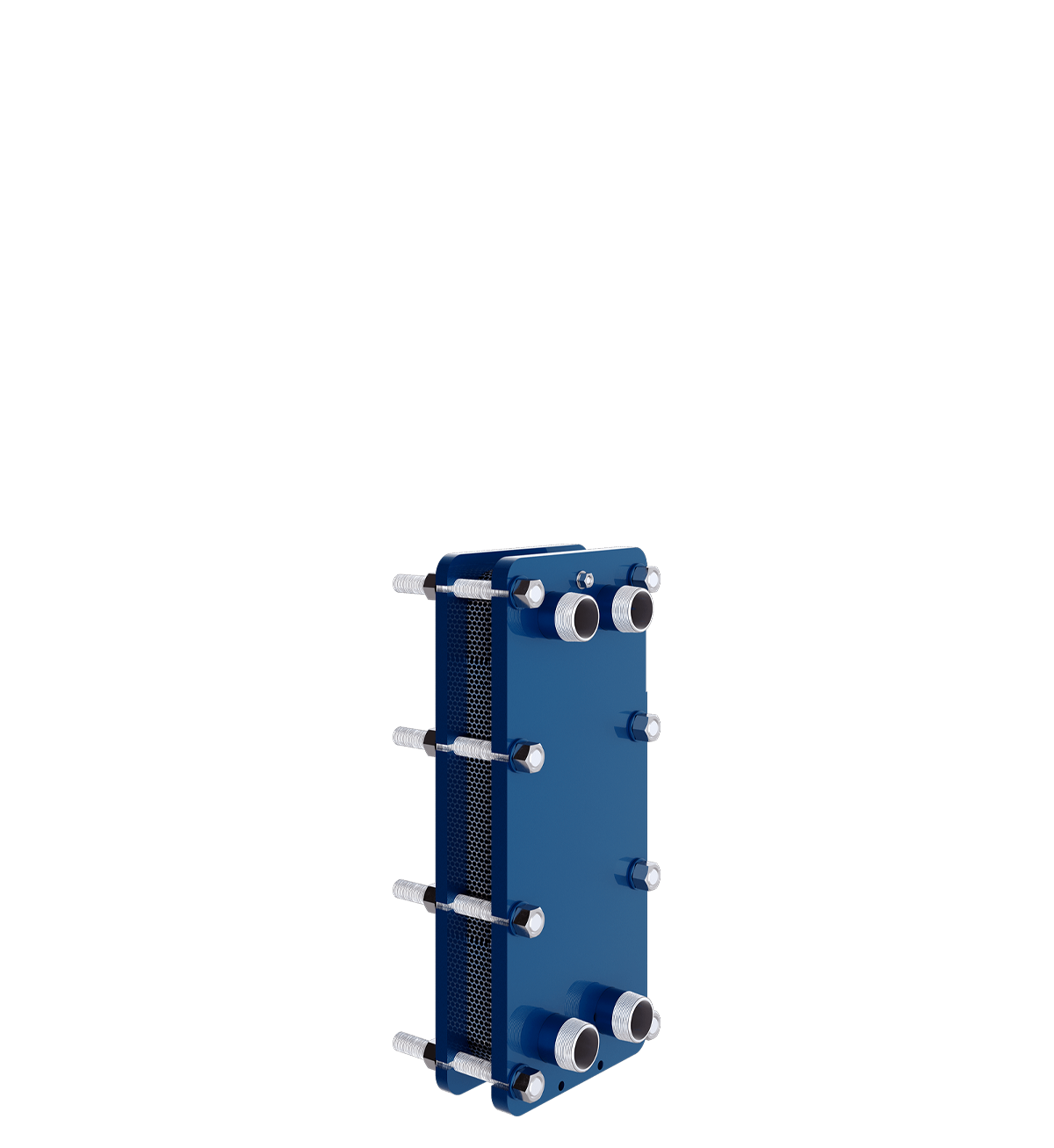
Corrugated plates
DN32 (11/4")
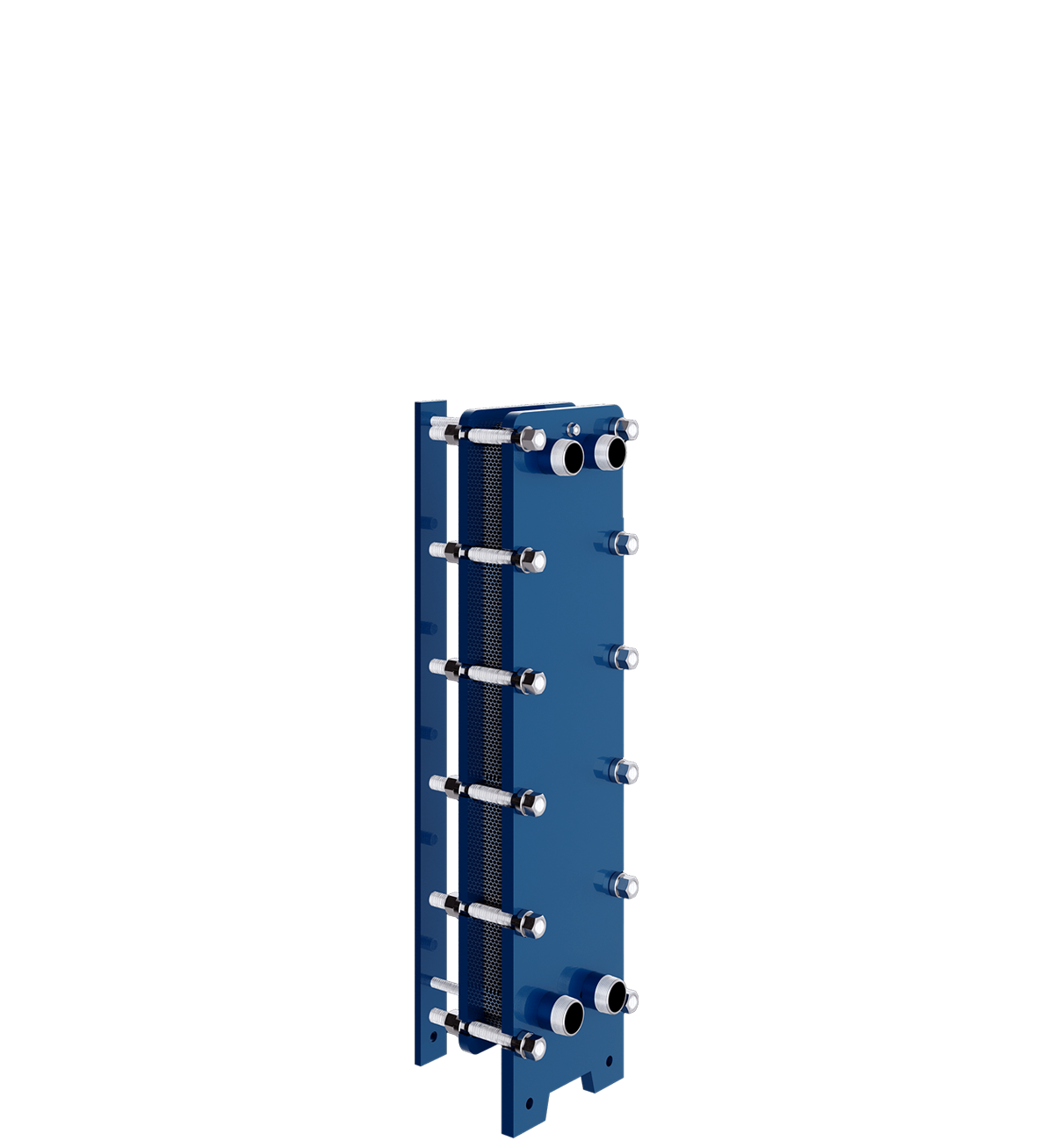
Corrugated plates
DN32 (11/4")
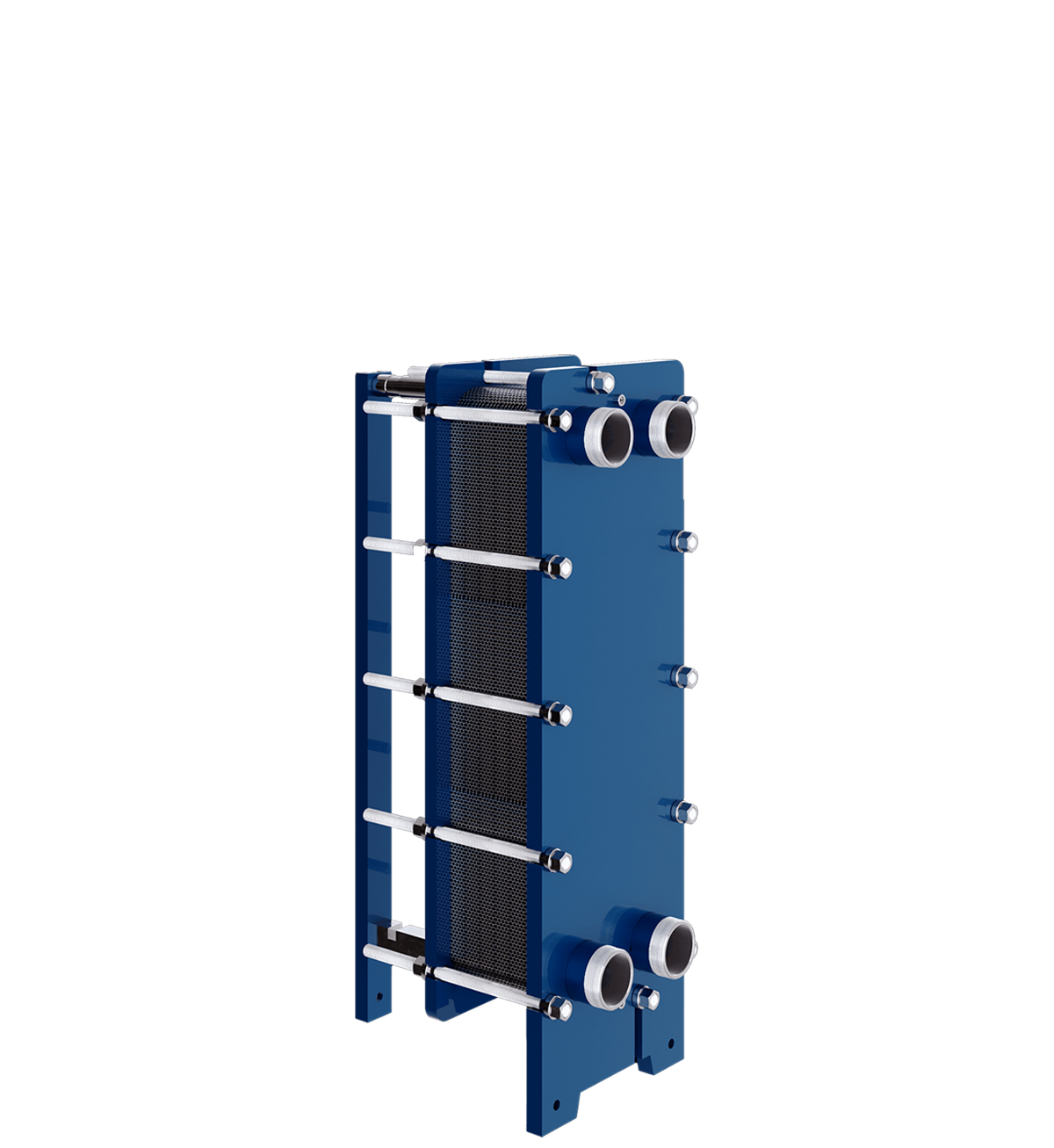
Corrugated plates
DN50 - 65 (2 - 21/2")
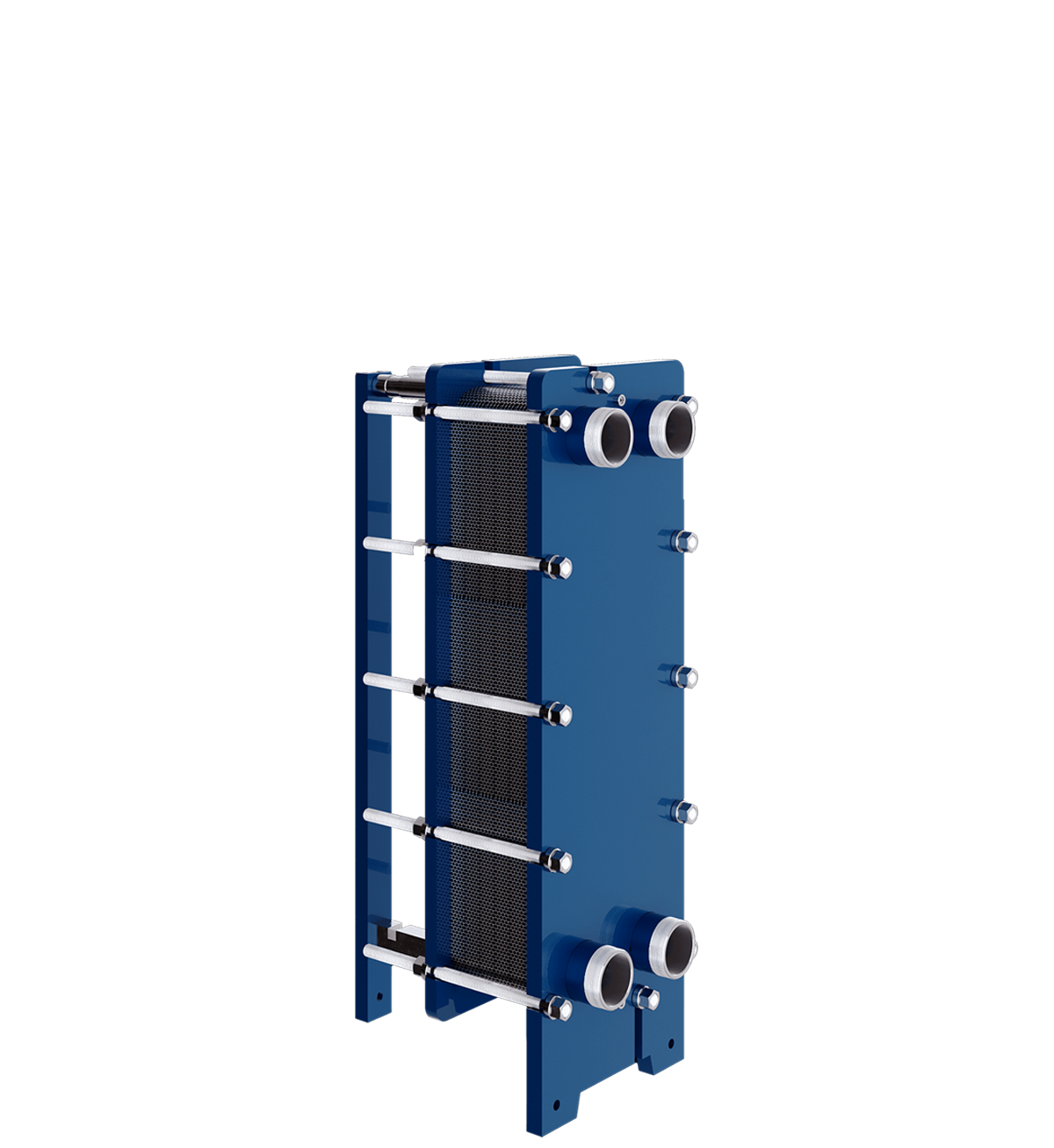
Corrugated plates
DN50 - 65 (2 - 21/2")
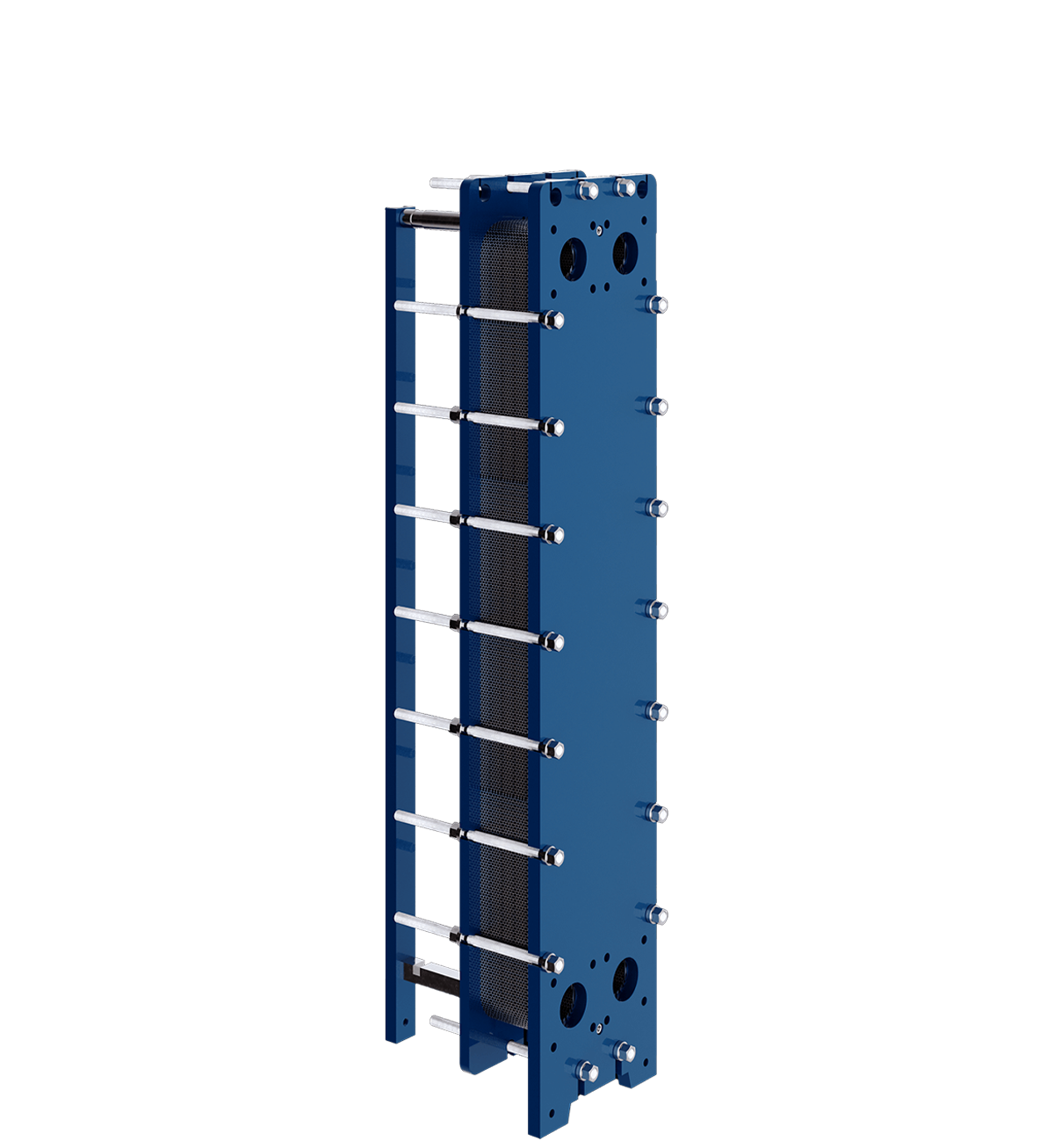
Corrugated plates
DN50 - 65 (2 - 21/2")

Corrugated plates
DN100 (4")
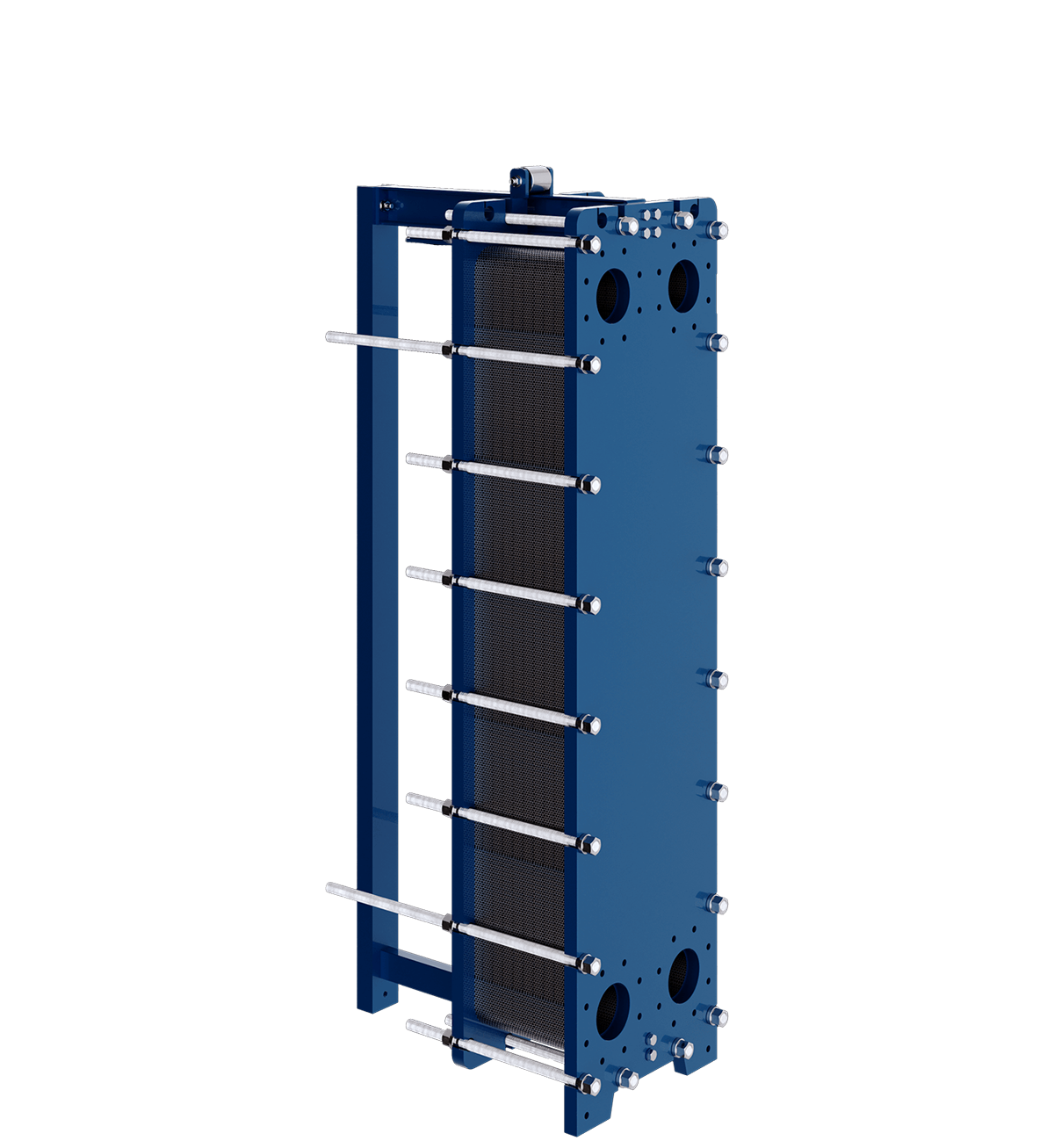
Corrugated plates
DN100 (4")
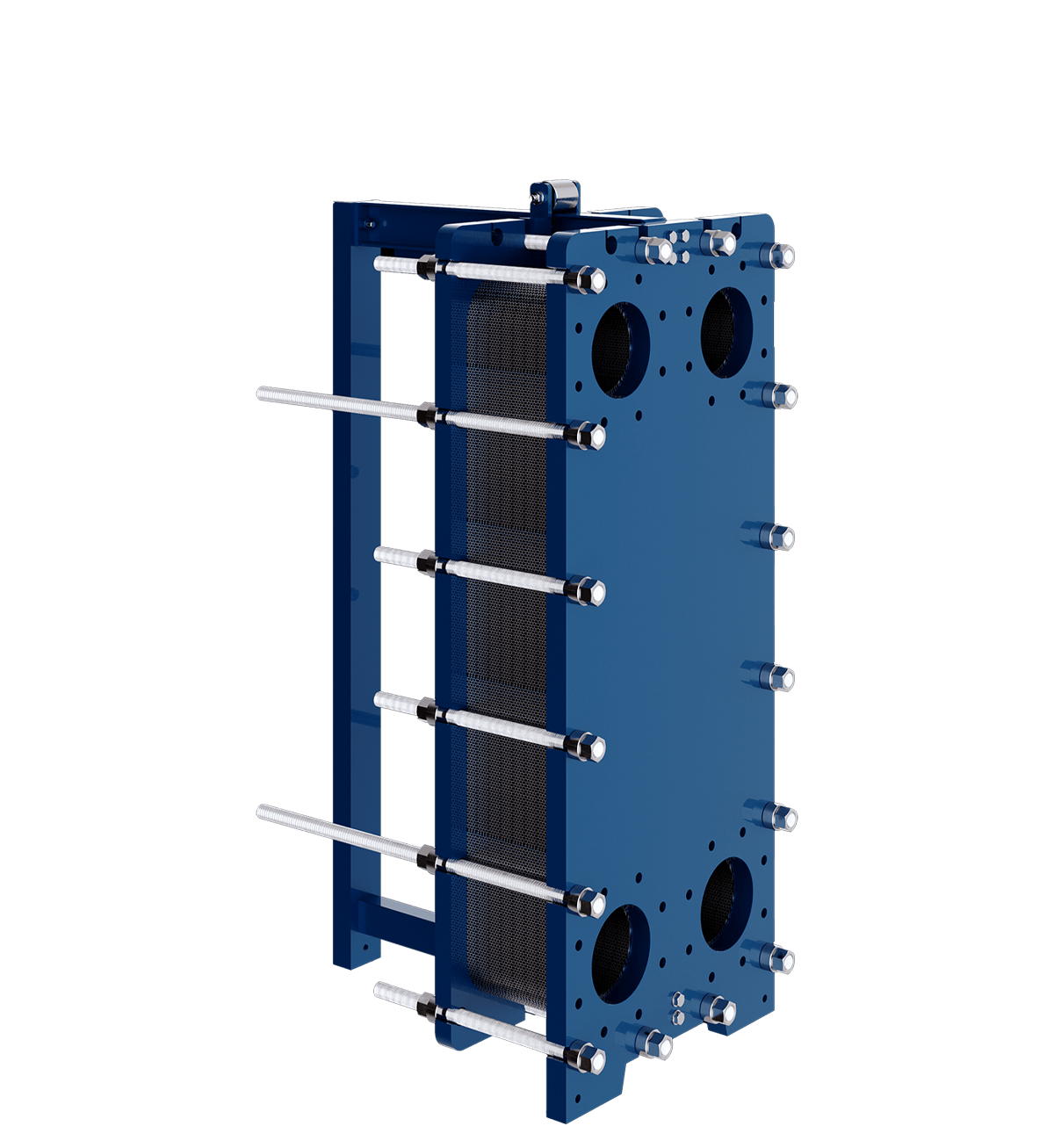
Corrugated plates
DN150 (6")

Corrugated plates
DN150 (6")
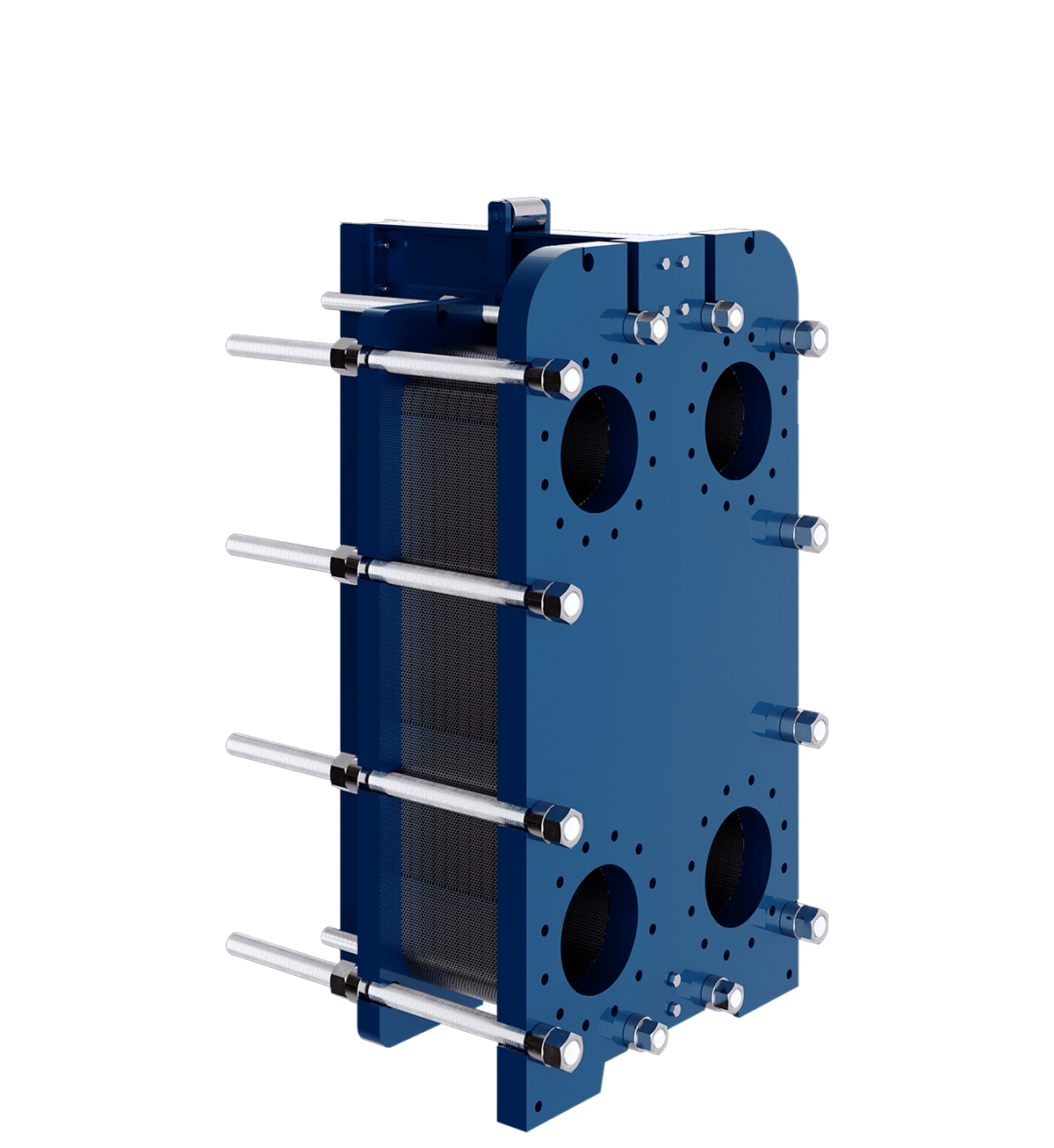
Corrugated plates
DN200 (8")

Corrugated plates
DN200 (8")
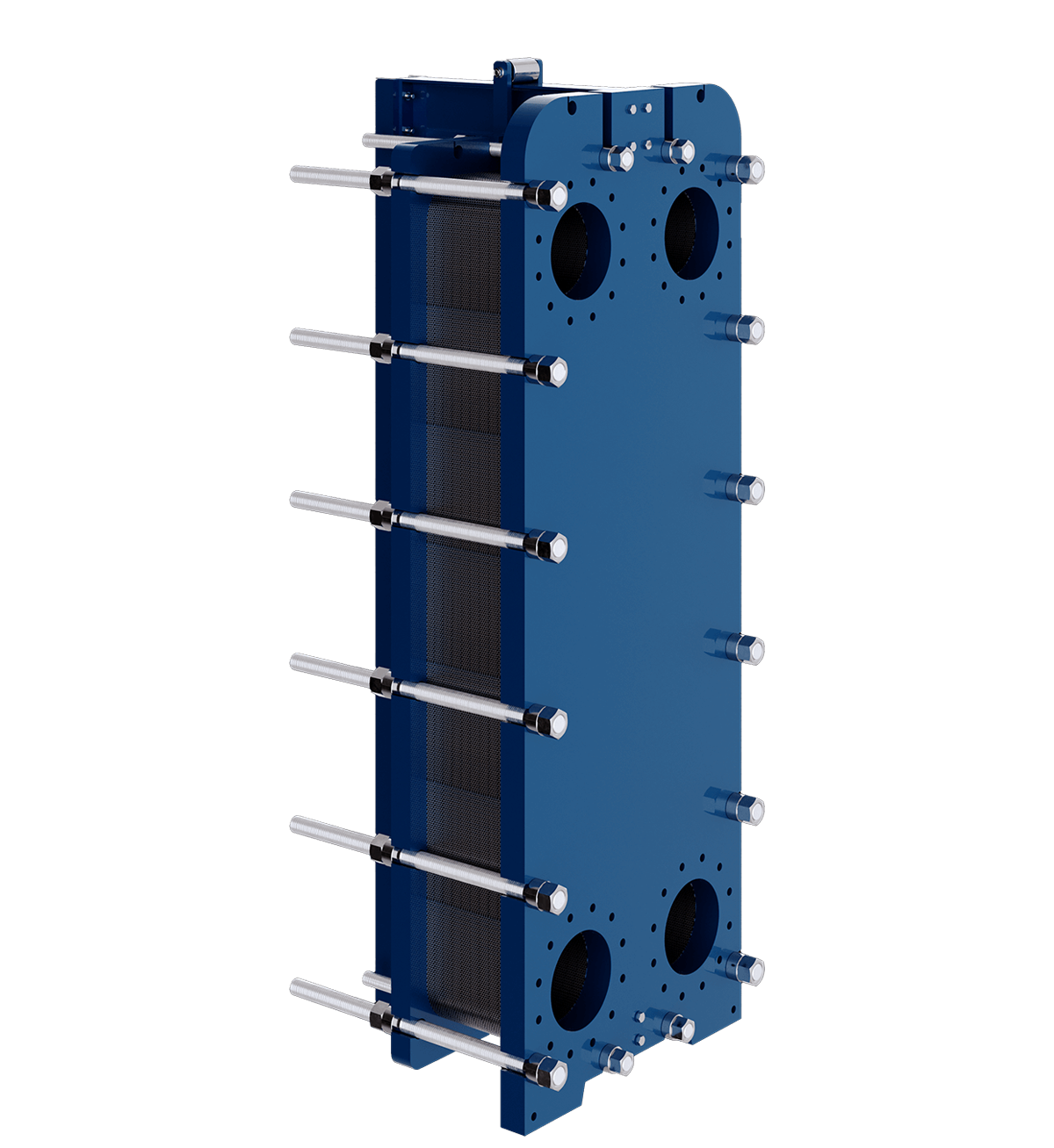
Corrugated plates
DN200 (8")
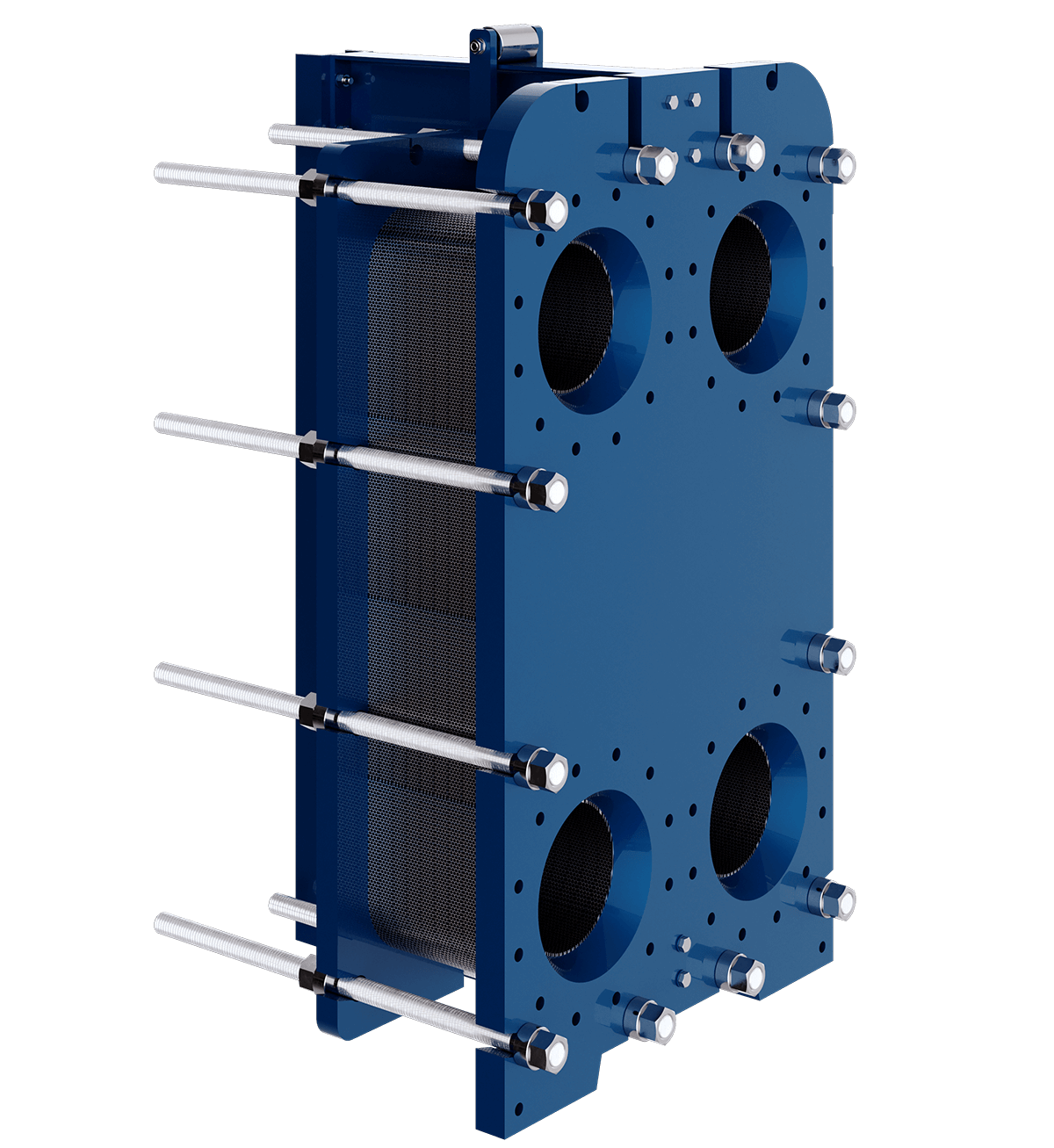
Corrugated plates
DN250 (10")
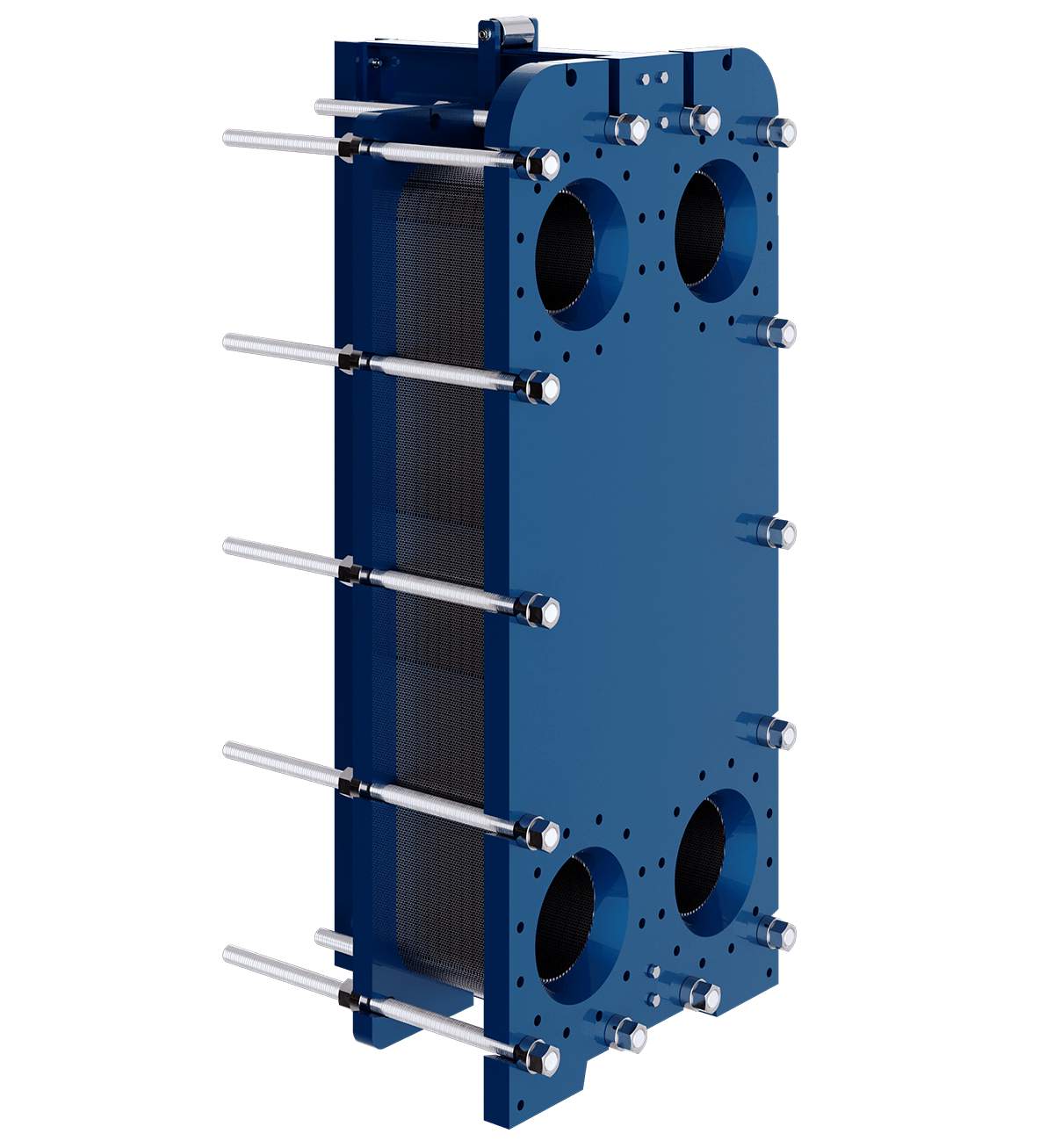
Corrugated plates
DN250 (10")
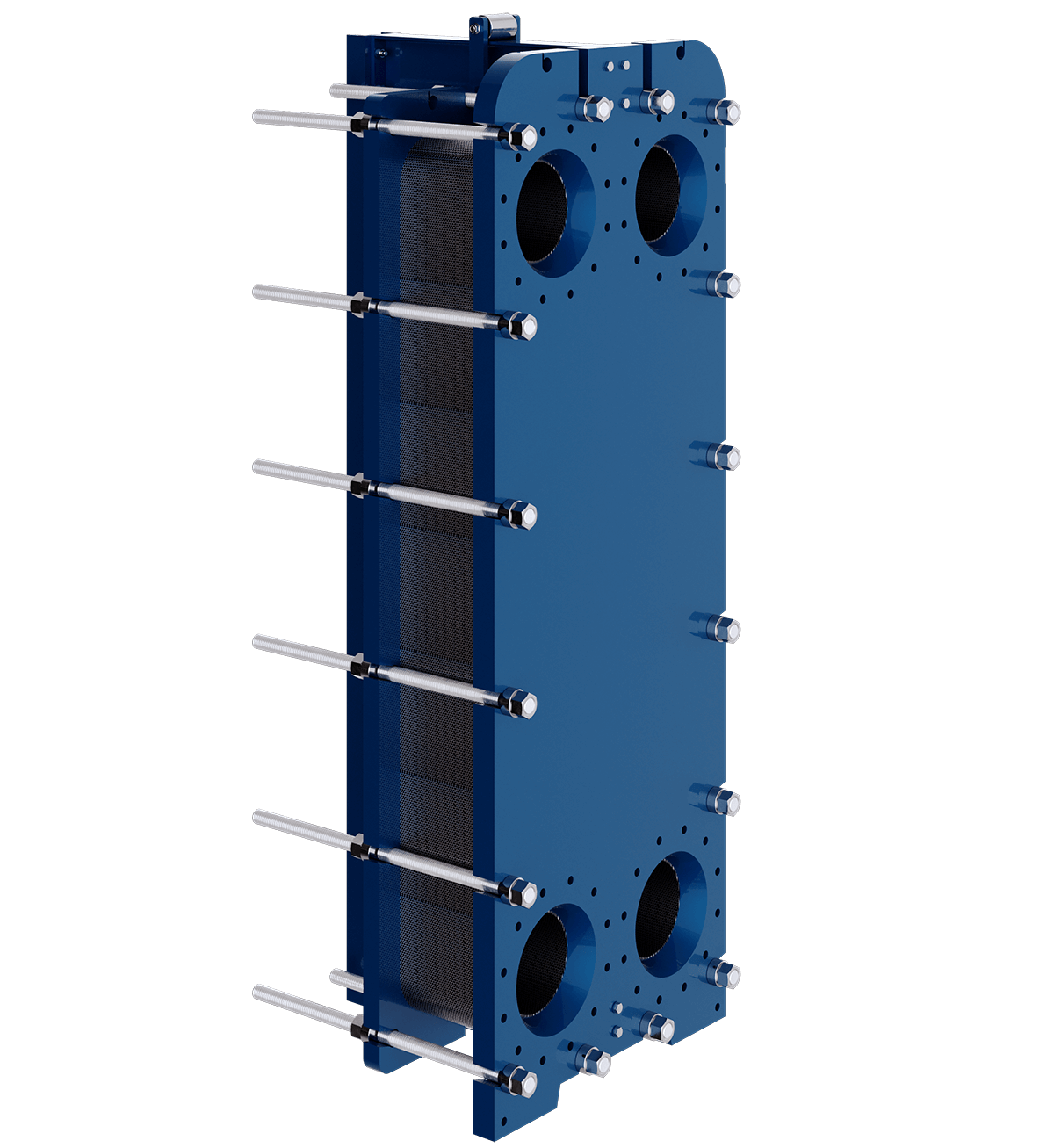
Corrugated plates
DN250 (10")
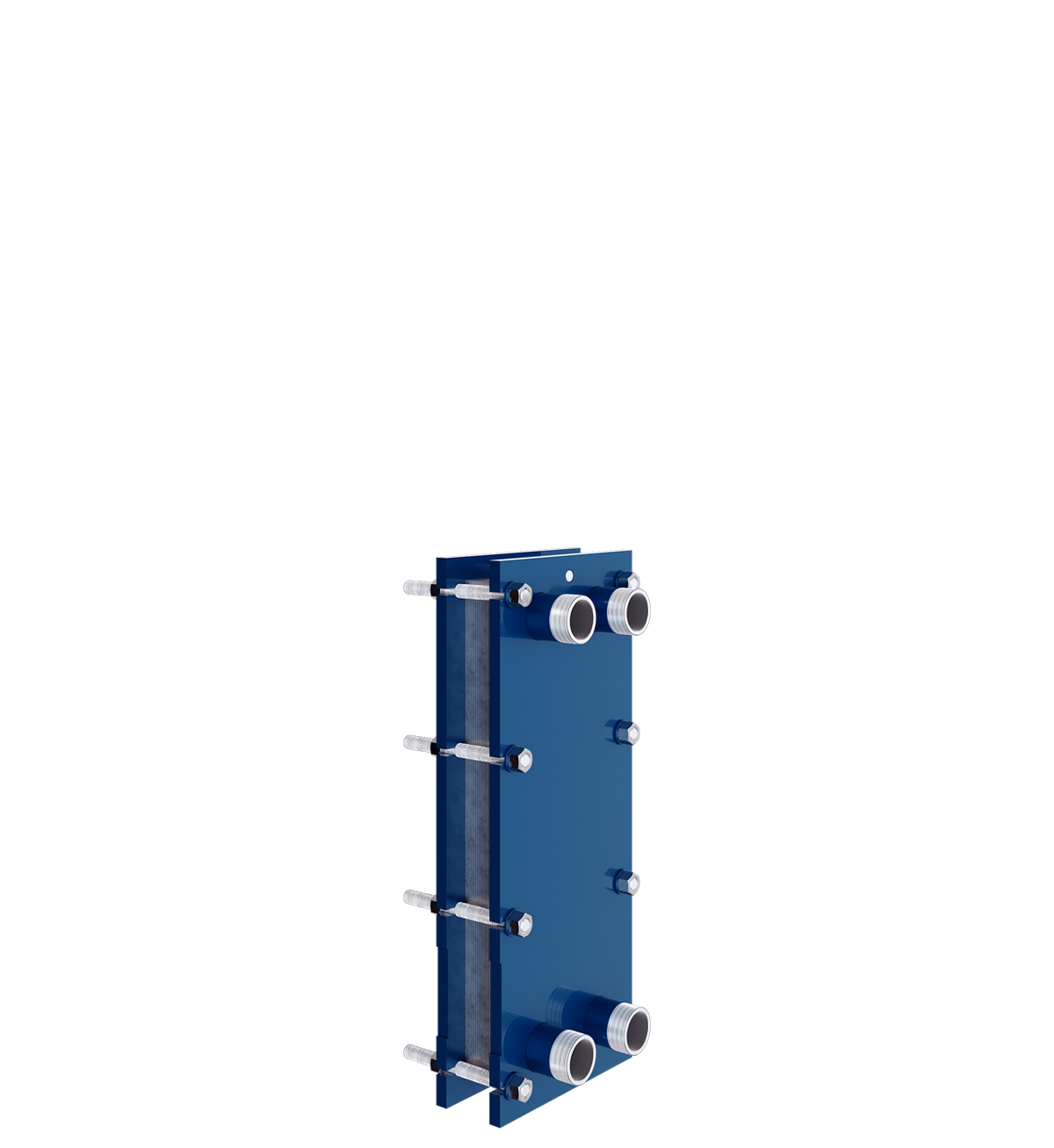
Smooth plates
DN32 (11/4")
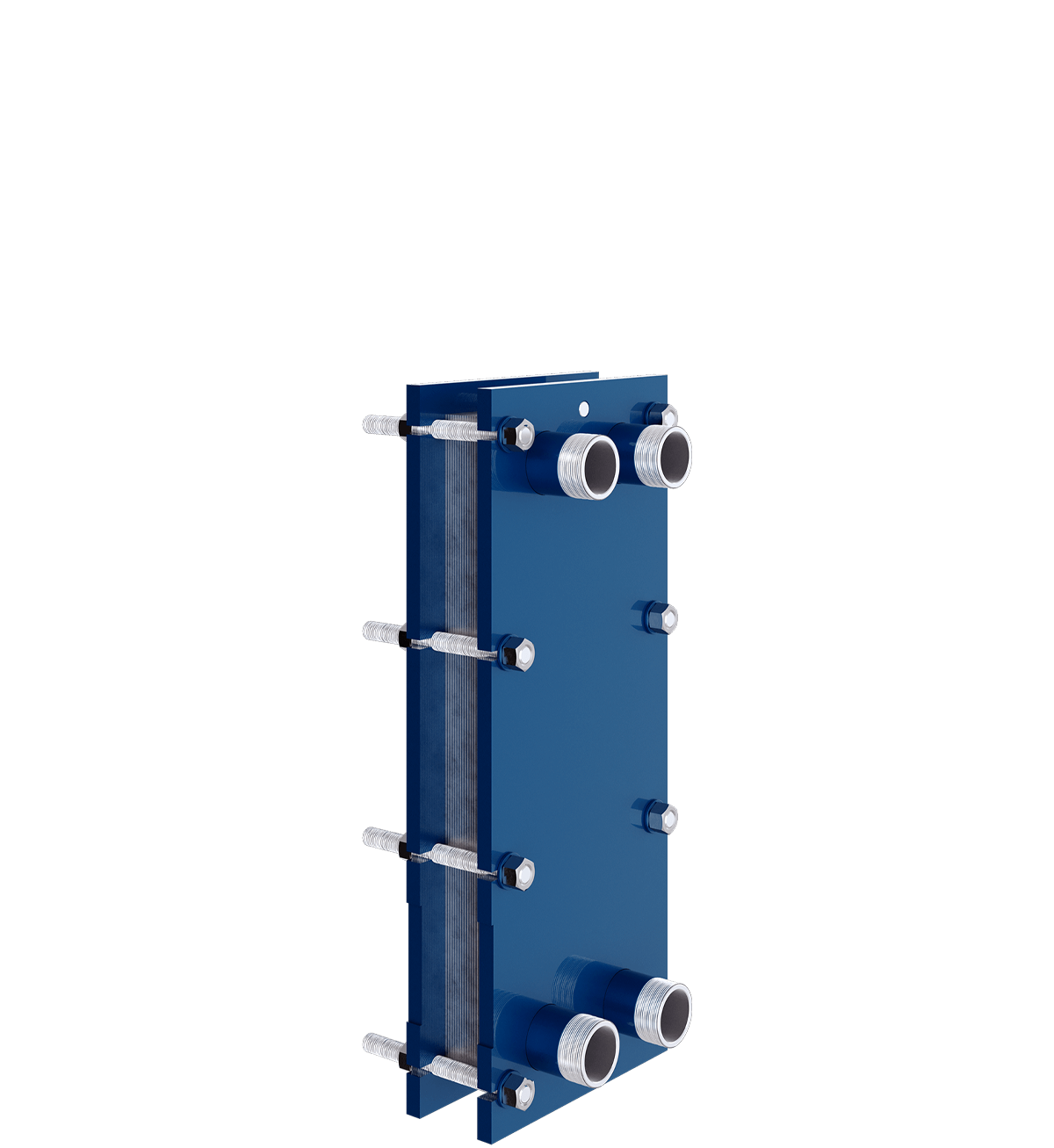
Smooth plates
DN50 - 65 (2 - 21/2")
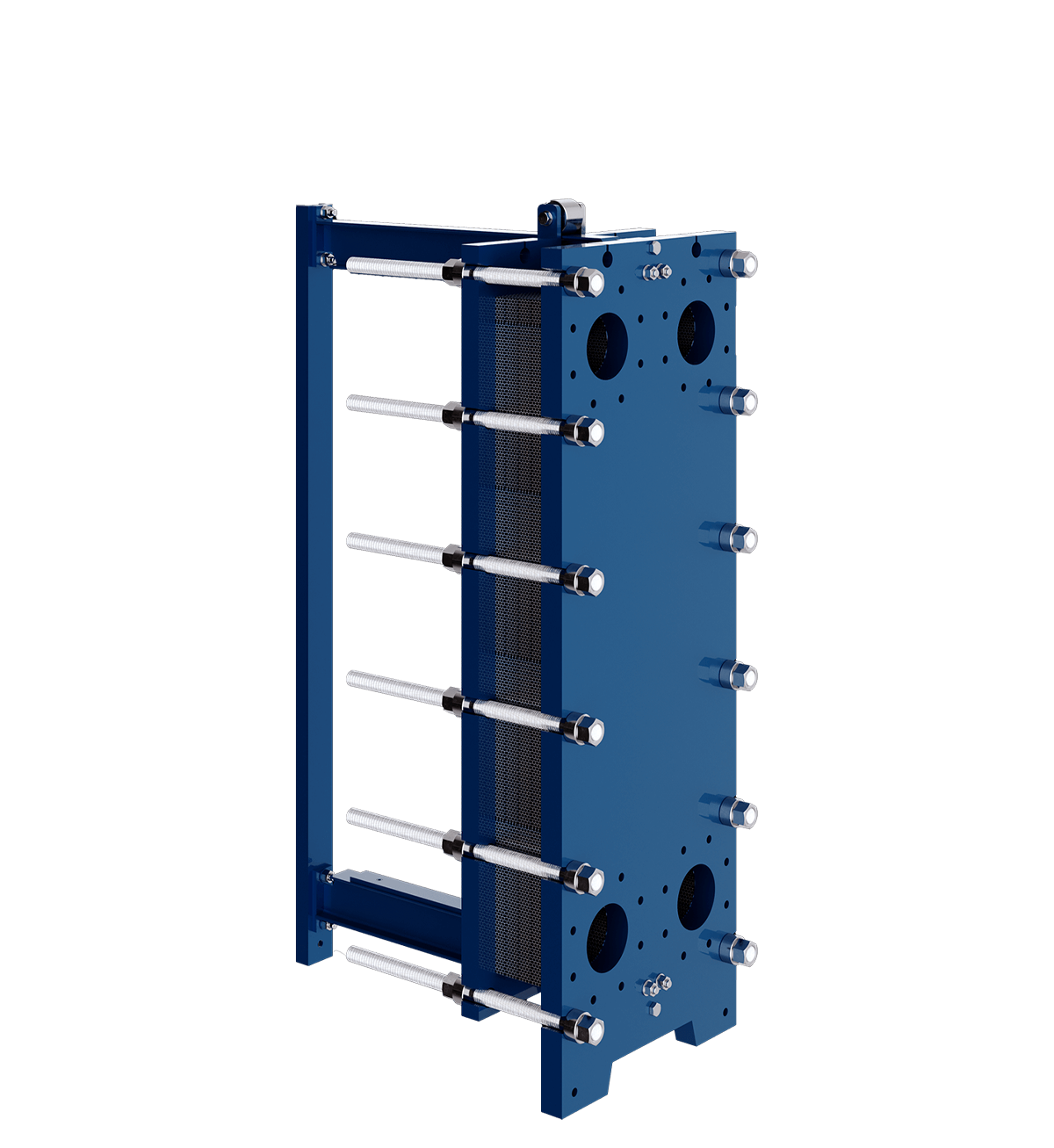
Smooth plates
DN100 (4")
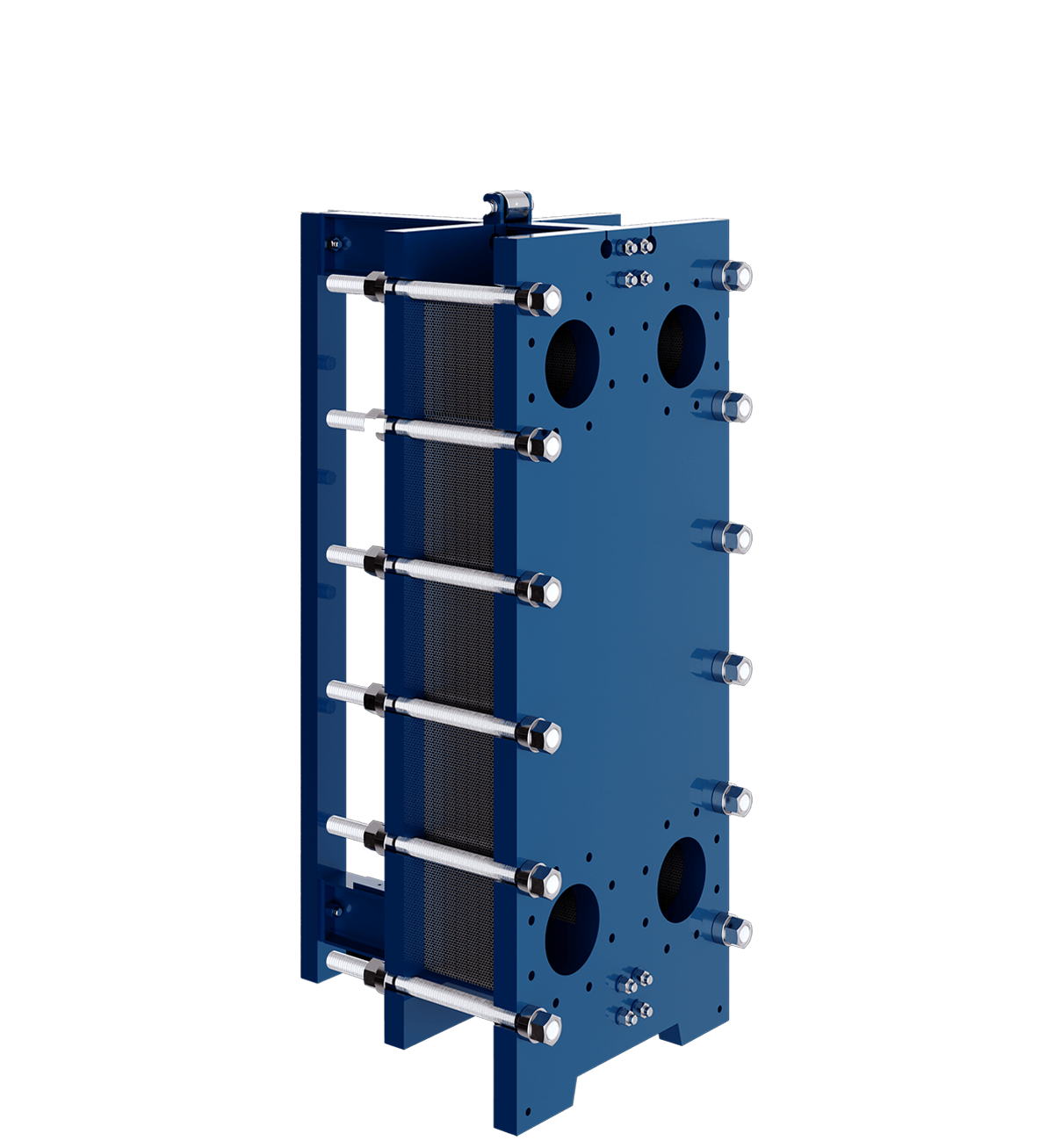
Smooth plates
DN150 (6")
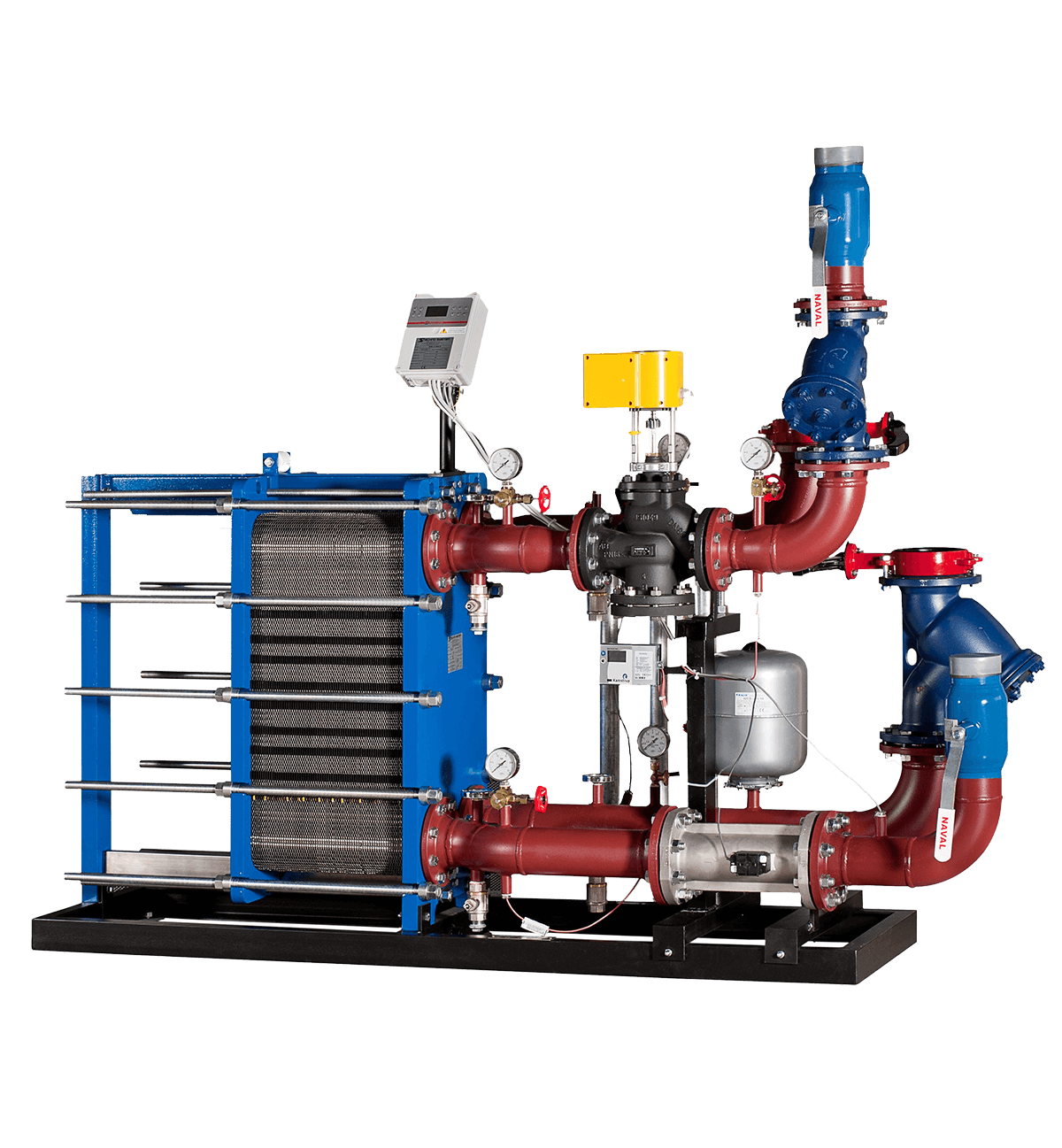
Basement substation for district heating

Wall-mounted substations for district heating
